
From blasphemy to best practice: Anastasia Leng on measuring creative
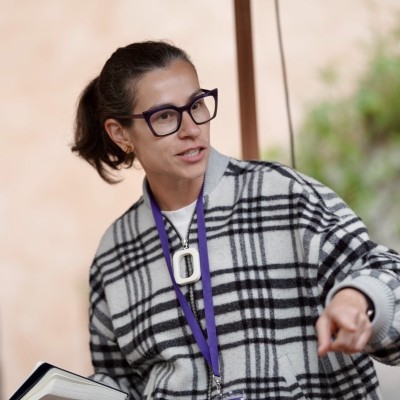
From blasphemy to best practice: Anastasia Leng on measuring creative
Brands have never produced more content, or had less direct control over it. Generative AI and creators now make a growing share of what consumers see, yet that creative is still how people experience a brand.
CreativeX calls itself a creative observability layer for the AI era. It measures every piece of creative an advertiser publishes, scoring image and video for creative quality, brand consistency, compliance and representation, and shows how each decision supports the wider business strategy and, ultimately, consumer outcomes. Global brands including Nestlé and PepsiCo use the platform.
"We provide that layer of control, visibility and accountability to make sure every creative execution ladders up to the messages your brand wants to send," says Leng.
Machines check, people decide
The biggest misconception in the market, she says, is that creative can only be judged subjectively, and that bringing in data means handing the work to machines.
"This is not about the machines running your creative strategy. It's about the machines helping you figure out to what extent your execution matches your creative strategy."
An industry that changed its mind
When CreativeX started, the idea was a hard sell. "We would get kicked out of conference rooms by people saying that trying to bring data into the creative process was blasphemy," Leng recalls.
The sheer volume of content changed that. The industry now accepts that the only way to keep up is to be far more data-driven about everything it puts out, including in areas where data was once off limits.
A job that changes every 18 months
In a growing company, Leng says, the CEO role changes every six to 18 months. Early on, the founder is a strong individual contributor and team cheerleader, setting the vision with sleeves rolled up. As the company scales, the job becomes making sure the whole organisation is coordinated and executing well.
She now spends far less time doing, which she admits she misses. Instead, she measures herself on clarity. Every quarter, her number one KPI is the percentage of the team who say they understand the company's goals and the part they play in reaching them.
She also points to the kind of growth CreativeX has delivered: stable enough to give people security, with room for high performers to keep progressing whatever the wider market is doing.
Advice for founders
For anyone thinking about starting out, her advice is to change the question. "Don't think about starting a company. Think about building a business, because that is what this is."
Early-stage founder culture, she says, tends to glamorise getting something off the ground. That is no small feat, but the challenge quickly becomes making something people want to buy and use again and again.
"You are committing to something for the next eight to 12 years. Make sure it's something you actually want to dedicate a decade of your life to."
Marketing technology at GP Bullhound
The shift Leng describes, from creative as instinct to creative as measurable performance, is reshaping how brands spend. MarTech sits within GP Bullhound's Business Software & AI coverage, and the firm's subsector specialists work with the founders building the platforms and agencies brands rely on. As generative AI multiplies the volume of content, the companies that help brands keep control of it are becoming essential.
About the GP Bullhound Allstars Awards
Now in its 24th year, the GP Bullhound Allstars Awards recognise the founders, entrepreneurs, operators and investors building Europe's technology companies. The 2026 awards ran across 15 categories, from Deep Tech and Sports Tech to Exit of the Year and Young Entrepreneur of the Year, and brought the ecosystem together in London on 15 October.
GP Bullhound hosts the Allstars for the same reason it advises founders every day: it is bullish on European tech and the people building what comes next. The awards give that work a stage, and put the people behind it in a room with the investors, operators and peers who can help it go further.
Stay connected
- Find out more about CreativeX at creativex.com
- Explore GP Bullhound's Business Software & AI expertise at gpbullhound.com
- Stay updated on all things Allstars on our LinkedIn page